
Identity verification and Marketplaces - How to restore trust?
Identity verification has become essential to restore trust on marketplaces. With fraud on the rise, it is crucial for online platforms to have robust systems in place that protect both buyers and sellers. This article explores how these measures can transform your platform into a secure space and

Identity verification has become essential to restore trust on marketplaces. With fraud on the rise, it is crucial for online platforms to have robust systems in place that protect both buyers and sellers. This article explores how these measures can transform your platform into a secure and trustworthy space.
Why identity verification is essential for marketplaces
In the world of marketplaces, identity verification has become an essential necessity. It makes it possible to effectively fight against online fraud and identity theft, two scourges that undermine the trust of users. By securing transactions, it protects sensitive data and reinforces digital security. In this way, digital platforms can provide a more secure and reliable environment for their users.The risks of fraud without identity verification
Marketplaces without identity verification are exposed to numerous risks. Identity theft and payment fraud are among the most common. These threats can have disastrous consequences for the reputation and viability of platforms. Let's explore these risks through concrete examples.- Identity theft : Fraudsters impersonate other users to access sensitive information or conduct fraudulent transactions.
- Payment fraud : Without verification, transactions can be made with stolen cards, causing significant financial losses.
- Creating fake accounts : Fake accounts can be used to manipulate reviews or scam other users.
- Personal data theft : Unprotected personal information can be stolen and used for malicious purposes.
- Tarnished reputation : Recurring fraud incidents can damage the reputation of the platform, leading to a loss of user trust.
Impact on user trust
The lack of identity verification can seriously affect users' trust in a marketplace. Statistics show that platforms without adequate security measures often experience a drop in attendance. Let's take a look at how this is translated in practice.According to a recent study, 60% of users abandoned an online transaction due to security concerns.
Additionally, 70% of consumers say they feel more confident on a platform that uses advanced identity verification technologies.
These numbers underscore the critical importance of securing online interactions to maintain and strengthen user trust.
How does the identity verification process work
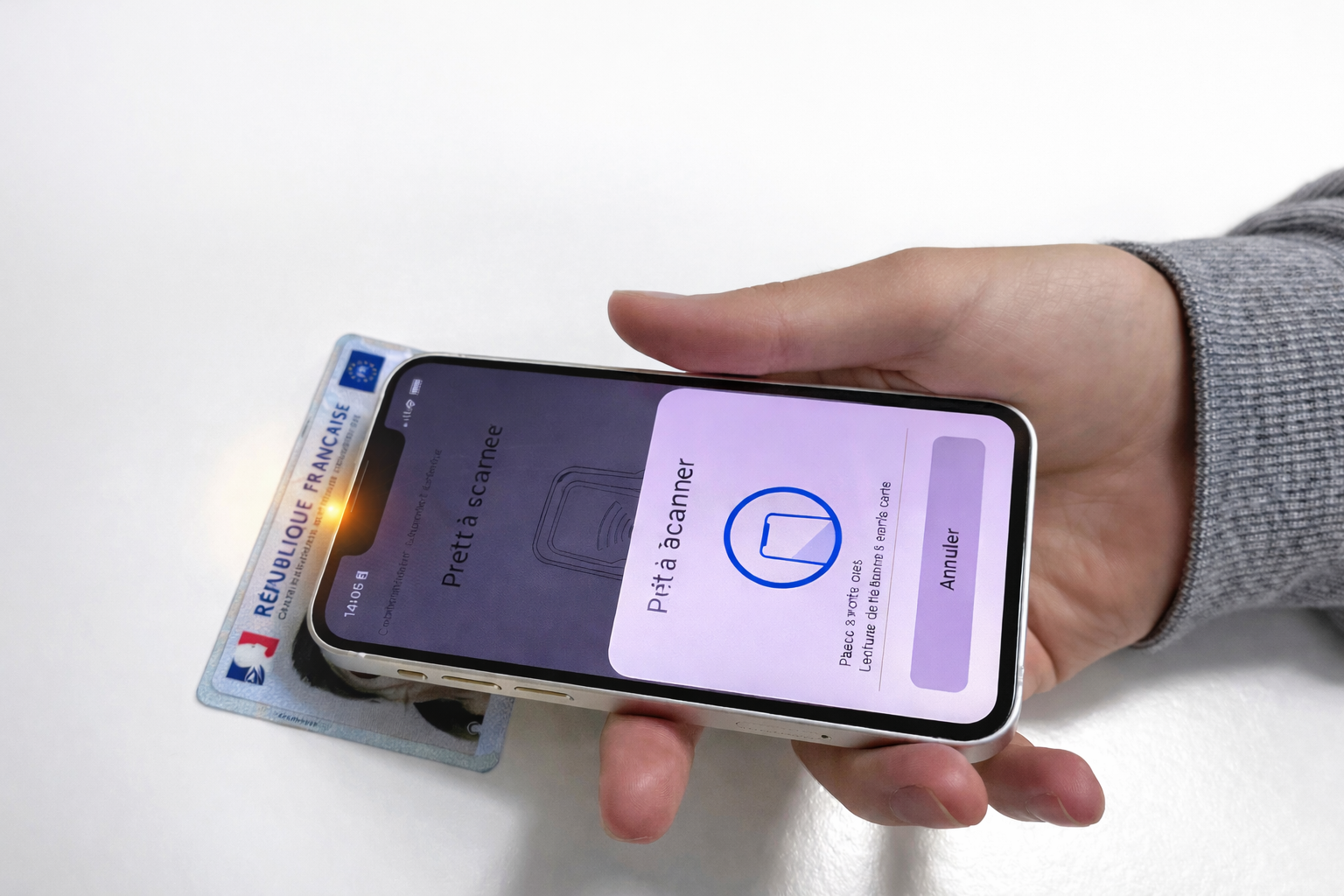
In a marketplace, identity verification is crucial to ensure the security of transactions. This process, often integrated as part of KYC, uses a variety of technologies to authenticate users. Online authentication plays a key role here, ensuring that each user is who they say they are. Let's find out how this process takes place in practice.Verification process steps
Identity verification starts as soon as the user registers on the platform. It involves several key steps to ensure the authenticity of the information provided. Required documentation varies but often includes official identification. Various methods are used to authenticate these documents and confirm the identity of the user.- Initial enrollment : When a user registers on a marketplace, they must provide basic personal information. This usually includes the full name, email address, and a phone number.
- Submission of documents : The user is then invited to download a copy of their official identity document, such as a passport or national identity card. These documents are used to verify the authenticity of the information provided during registration.
- Automatic check : Submitted documents are analyzed by optical character recognition (OCR) software that extracts the data and compares it to the initial information.
- Biometric authentication : To increase security, some marketplaces also require biometric verification. This may include facial recognition or fingerprinting to ensure that the user is who they say they are.
- Manual validation : In some cases, a manual check by a human agent is performed to confirm the results obtained by the automated systems.
- Final confirmation : Once all the previous steps have been successfully completed, the user receives a confirmation that their identity has been successfully verified.
Technologies used in authentication
Modern technologies play a critical role in online authentication. They improve the accuracy and speed of the identity verification process. However, each technology has its own advantages and limitations that are important to understand.- Face recognition : Used to compare the user's face with the photo on their identity document. Advantage: fast and non-intrusive. Limitation: can be deceived by high quality photos.
- Biometric analysis : Includes fingerprints and voice recognition. Advantage: very difficult to falsify. Limit: requires specific hardware for data capture.
- SMS verification : Send a unique code to the registered phone number to confirm identity. Advantage: simple and widely accessible. Limit: vulnerable if the phone is compromised.
- Two-factor authentication (2FA) : Combines several methods to increase security. Benefit: provides an extra layer of protection. Limit: may be perceived as restrictive by users.
Benefits of identity verification for buyers and sellers
Identity verification on marketplaces has become essential. It provides increased security for buyers and reinforces the confidence of sellers. By integrating this practice, digital platforms can reduce online fraud and improve the user experience. This measure not only protects transactions but also ensures that each party is authentic. As a result, user trust is strengthened, which is crucial for the success of online transactions.Increased safety for buyers
For buyers, security is paramount when buying online. Identity verification plays a key role in protecting against scams. It ensures that the products received are authentic and that the sellers are legitimate. This measure reassures users and improves their experience on the platform.How does identity verification protect against scams?
Identity verification ensures that each seller is who they say they are. This greatly reduces the risk of scams as fraudsters have a harder time impersonating legitimate sellers.Are the products still authentic thanks to this check?
Yes, for the most part. By verifying the identity of sellers, marketplaces ensure that only authentic products are offered. This reduces the risk of counterfeiting and increases the confidence of buyers.Does ID verification improve the user experience?
Absolutely. By reducing the risk of fraud, shoppers feel more secure. This improves their overall experience on the platform and encourages repeat transactions.Increased confidence for sellers
For sellers, identity verification is a guarantee of trust. It reduces the risk of litigation by ensuring that each transaction is legitimate. This allows sellers to operate with complete peace of mind, knowing that their customers are authentic and that their products will be delivered without problems.“Since we integrated identity verification, our transactions are much more secure. We have seen a significant decrease in disputes with our customers. This allows us to focus on improving our service rather than dealing with fraud issues.” The peace of mind that this brings is invaluable. Our customers know they can trust us and that means more sales.”
Effectively integrate identity verification into your marketplace
Integrating an identity verification system into a marketplace is crucial to strengthen digital security. This helps protect users from fraud and identity theft. By choosing the right tools, you can improve user trust and secure transactions. Here are some practical tips for effectively integrating these systems into your existing platform.Choosing the right service provider
Choosing the right identity verification service provider is essential to ensure the security and reliability of your marketplace. It is important to assess several criteria before making a decision. Here are a few examples of reputable suppliers that could meet your needs.- Supplier reputation : Choose a provider with a solid reputation in the field of identity verification.
- Regulatory compliance : Ensure that the supplier complies with KYC standards and other regulations in force.
- Technology used : Choose suppliers using advanced technologies such as biometric authentication.
- Ease of integration : Verify that the service integrates easily with your existing platform.
- Customer support : Good customer support is crucial for resolving potential issues quickly.
- Cost of the service : Compare costs and make sure they fit within your budget without compromising quality.
Technical integration into your platform
Technical integration of an identity verification system can be challenging, but with the right preparation, it can be done smoothly. Here's how to approach this integration while overcoming potential obstacles.- Needs assessment : Identify the specific features that your marketplace needs for identity verification.
- Supplier selection : Choose a supplier that meets your technical and budgetary criteria.
- Integration planning : Develop a detailed plan to integrate the system without disrupting your operations.
- Preliminary tests : Perform tests to ensure that the system is working properly prior to full deployment.
- Team training : Train your teams to use the new system to ensure smooth adoption.
- Follow-up and optimization : After integration, monitor system performance and make adjustments as needed.
Articles
Continue reading


Simplify identity verification
A new way to manage identity verification that's easier and more secure.