
Identity Theft: Definition and Response

In Europe, one in five citizens has been a victim of Identity Fraud, with a new victim every two seconds. The financial and emotional repercussions are huge. For financial institutions, the Prevention And the Sensing Have become critical priorities in protecting customers and businesses from this scourge.
What is identity theft?
Identity Theft: Definition
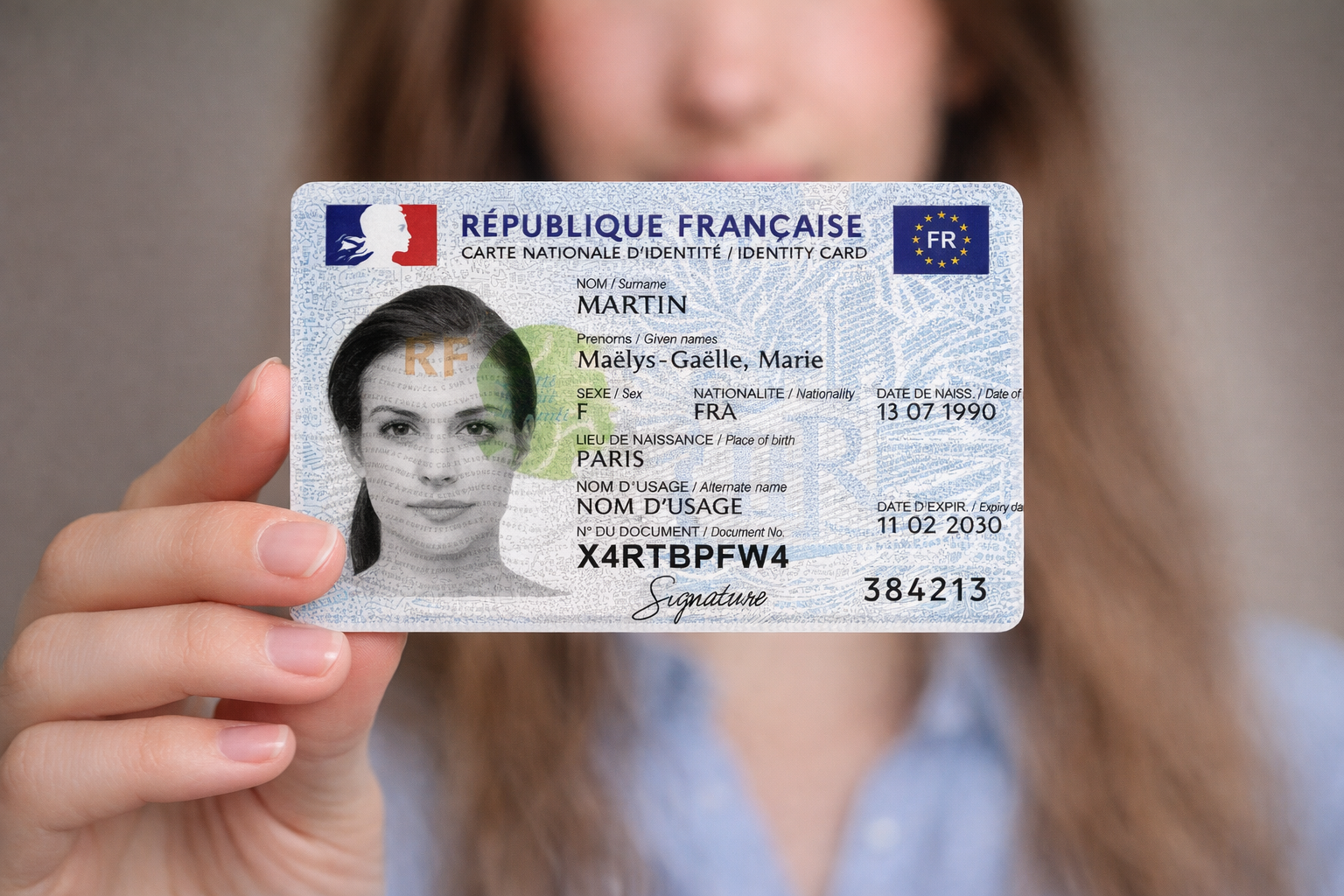
Identity Theft Represents the Theft of Personal Information Of an Individual with the Aim of Committing a Tampering.The impersonator uses this information and impersonates the victim. This allows him to open accounts, to benefit from unfair advantages, to avoid certain fines, etc. The advantages obtained are numerous. For the victim, getting rid of identity theft becomes very complex. It is up to her to prove, in each case, that she is in fact a victim.
The Rise of Identity Theft in the Digital Age
Identity theft has grown exponentially since the digitalization of services. Technologies have allowed cybercriminals to steal sensitive data and exploit vulnerabilities. With the development of AI and Deepfakes, identity theft is even easier.
Don't Confuse Identity Theft with Identity Fraud
These two concepts are often used interchangeably. However, they are very different. Identity fraud involves the use of a false, fictional identity. On the Other Hand, Identity Theft Requires the Use of a Stolen Identity. It is very real and belongs to another person, a victim of fraud.
Several types of identity theft
Identity Theft comes in many forms, each with its own challenges and consequences. Now let's explore these.
Financial usurpation
It is the most common type. It involves unauthorised access to Accounts Financial and Credit cards Of the victim. The impersonator uses this information to make fraudulent purchases, open new lines of credit, obtain loans, or transfer money.
Usurpation of social and fiscal security
Thanks to Social Security Number From his victim, the usurper can claim social and fiscal benefits. For the victim, this generally results in requests for reimbursement from state administrations.
Social benefits
The social benefits sought by the usurper may be obtaining social benefits or employment under another identity. This undue aid is generally requested by the administration after a certain period of time.
Tax benefits
By filing a tax return Fraudulent, the usurper hopes to get the associated tax refund. The victim often finds out about the problem too late. When she tries to file her own tax return or when she is asked to refund the amount obtained by the usurper.
Medical Identity Theft
This form of identity theft involves the use of information fromHealth insurance To receive care or medication. As a result, victims may end up with high medical bills and a compromised medical record.
Criminal Usurpation
In this case, a person uses the victim's identity to avoid arrests, fines, or criminal record checks. This may result in Lawsuits unjust and legal complications for the victim.
Vulnerable methods and sectors
Identity Theft Methods
The information required for identity theft can be recovered in a number of ways, using traditional or digital techniques. Understanding these methods is critical to better protect individuals and businesses from these threats.
Traditional techniques
By traditional techniques, we mean those that are not digital. These are used less and less because they require physical travel. The usurpers then run a greater risk of being unmasked.
Wallet Theft
This method consists of stealing a wallet containing essential documents. For example: an identity card, credit cards, a health card, etc. The impersonators then use this information to access financial accounts or open new accounts in the name of the victim.
Card copy
Fraudsters use Cloning Devices To copy credit or debit card information. This can happen when paying in a store or withdrawing from a tampered ATM. Once the information is copied, impersonators can make fraudulent purchases.
Mail Theft
Criminals intercept mail that contains sensitive information. Sensitive information includes bank statements, credit cards, or tax documents.
Digital techniques
Digital techniques are becoming more and more widespread and better hidden. Here are some of the methods that are regularly used.
Phishing or Pprising
Through fraudulent emails or messages, victims are encouraged to provide their Secret Information. For example: a password, credit card number, or social security number. Scammers then use this information to access the victim's accounts.
Malware
The malware is installed on the victim's device. These programs will record the keyboard and steal sensitive information.
Unsecured Networks
The use of unsecured public Wi-Fi networks can allow impersonators to intercept transmitted data. Bank login details can thus be recovered and allow criminals to carry out fraudulent transactions.
Data Breach
This corresponds to Database Theft of businesses or institutions. This information typically includes the names of their customers, addresses, social security numbers, and credit card information.
Sectors vulnerable to identity theft
Identity theft affects many sectors. Some are particularly vulnerable due to the nature of the data they handle and the value for criminal networks. Here is an overview of the sectors most at risk.
Financial Sector: The Most Vulnerable
The financial sector is one of the most lucrative targets for identity thieves. Financial institutions hold sensitive personal information and considerable financial resources. A criminal can use stolen information to open new bank accounts, obtain loans, or make fraudulent purchases. Thus, the losses for banks and for their customers can be significant.
What about the insurance sector?
The insurance sector is also heavily affected by identity theft. Insurance companies collect detailed customer data, including personal and medical information. This is a boon for fraudsters, who can use it to create false claims. But also to obtain fraudulent refunds or access medical benefits under a False identity.
The Online Gaming Sector: A New Target
With the rapid growth of the video game and esports industry, this sector has become a target in its own right. At the same time, the rise of micro-transactions and so-called “in-game” purchases (within the game itself) have contributed to this development. Criminals can steal game account information to resell virtual goods, embezzle rewards, or access personal account information.
Cryptocurrencies: a growing vulnerability
Cryptocurrencies also see emerging risks ofImpersonation. Cryptocurrency transactions are often difficult to track and completely anonymous. That's why they're Attractive.Criminals can use stolen identities to create cryptocurrency wallets. They will also transfer funds or access accounts and steal digital assets. Unfortunately, regulation is insufficient and the technical complexity too high to secure this sector.
How to avoid identity theft?
How Can Individuals Protect Themselves Against Identity Theft?
Because prevention is better than cure, here are some practices that will save you a lot of trouble.
Best practices
Don't share your personal information
Limit the amount of personal information shared online. Avoid disclosing sensitive details such as social security numbers, bank details, and passwords.
Regularly monitor your bank accounts
Check your bank and credit card statements frequently. This will allow you to identify any suspicious or unauthorised transactions. Early detection can help minimize damage.
Shred Sensitive Documents
Destroy all documents that contain personal information before throwing them away. This includes bank statements, invoices, and other official documents.
Use of security software
Install an antivirus
Protect your devices from malware and viruses. Make sure your antivirus is up to date and run regular scans.
Use a firewall
Activate your network firewall to prevent unauthorized intrusions and protect your personal data from cyber attacks.
Vigilance Against Scams and Spam
Beware of Suspicious Emails and Messages
Never click on links or attachments from unknown or unverified sources. Scams by Prising Are common and aimed at stealing your personal information.
Verify the authenticity of websites
Before entering personal information on a website, make sure it is secure. Verify the presence of “https” in the URL and check the legitimacy of the company to which it belongs.
Importance of Strong Passwords
Create Strong and Unique Passwords
Use combinations of uppercase and lowercase letters, numbers, and symbols for your passwords. Avoid using the same Password for multiple accounts.
Use a password manager
Password managers can generate and store strong passwords. They make your job easier and more complex for cyber criminals.
Secure your Wi-Fi networks
Use complex passwords for your WiFi network. Avoid public, unsecure networks to access your personal and sensitive information.
How can businesses secure their information systems?
The implementation of the latest regulations in terms of customer knowledge and the use of tools at the cutting edge of AI contribute to the security of businesses.
KYC (Know Your Customer)
The KYC Is a process that requires businesses in the financial sector to verify the identity of their customers. This includes collecting and Verifying identity documents officials. But also the analysis of the history of transactions and ongoing account monitoring to detect suspicious activity.
Focus on identity verification
In order to verify the identity of their customers digitally, financial institutions use identity verification tools. In particular, these technologies make it possible to:
- Control Authenticity Identity Documents and to Detect Traces of Alteration
- Verify Belonging Thanks to the Correspondence with a Selfie of Its Holder
- Ensure that the customer is not present on a List of Criminals Or of Exposed Personalities
Do you want to implement such a tool? Datakeen supports you in remote identity verification.
AML (Anti-Money Laundering)
The tools ofAML are designed to prevent money laundering and illicit financial activities. They make it possible to monitor abnormal transactions and behavior. As soon as a Suspicious Behavior Is detected, it is reported to the competent authorities.
Detect Identity Theft Attempts
Remain Alert to Detect Impersonation
Early detection of identity theft is crucial to minimize financial and personal damage. Here are a few signs you should be wary of.
Warning Signs for Individuals
For individuals, there are several warning signs that may indicate potential identity theft:
- Unusual financial activities: However, the discovery of unauthorized transactions, on bank statements or credit cards.
- Unexpected matches: You have received letters or invoices for accounts or services that you did not subscribe to.
- Credit alerts: You have been notified of the opening of new accounts or of credit requests not made by yourself.
- Rejection of requests: Your requests for credit or social benefits have been rejected for no apparent reason.
Detecting Identity Theft as a Business
For businesses, warning signs include:
- Anomalies in transactions: Unusual or Suspicious Transactions or Requests
- Inconsistency in customer information: Contradictory or inconsistent data provided by customers
- Increase in customer complaints: An increase in complaints related to fraudulent activities.
What to do in case of identity theft?
Are you a victim of identity theft? Act quickly to minimize damage and start taking action today. Here are the essential steps you need to take.
Monitor and Document
As soon as you suspect a Impersonation, start by documenting all suspicious events and suspicious transactions. Note the dates, amounts, and types of transactions involved. This documentation will be useful to financial institutions and authorities.
Place a fraud alert
Contact your bank to request the establishment of a Fraud Alert On your file. This will alert potential creditors that they need to take additional identity verification steps before taking any action.
File a complaint
File a complaint with your local police department. Provide them with all the documentation you have collected. Get a copy of the police report or at least the report reference number, as this may be required for other procedures.
Inform other parties involved
If identity theft involved other aspects of your life (for example, benefits, medical records), contact them. This may include social security, insurance companies, or other government organizations.
Continue reading


Simplify identity verification
A new way to manage identity verification that's easier and more secure.