
What is document ocerization? Definition and Applications
Ocerization or OCR is the acronym for Optical Character Recognition, or in French, Optical Character Recognition. A very complex acronym for a technology that is not so complex. The purpose of OCR is to enable computers to understand printed (typed) and/or written (handwritten) text. What is ocerization?

Ocerization or OCR is the acronym for Optical Character Recognition, or in French, Optical Character Recognition. A very complex acronym for a technology that is not so complex. The purpose of OCR is to enable computers to understand printed (typed) and/or written (handwritten) text.
What is ocerization?
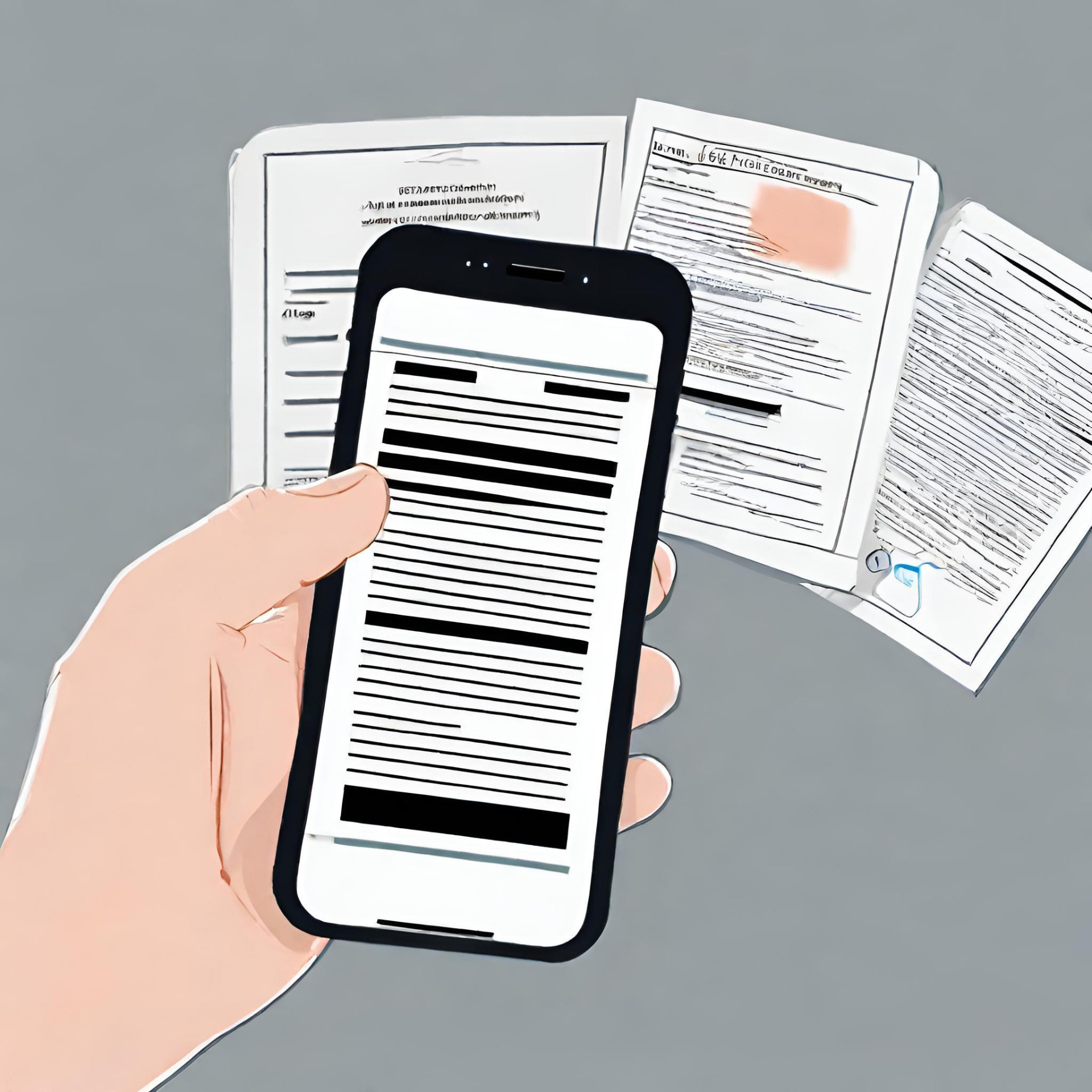
Ocerization refers toOCR, this technology that makes it possible to extract textual data from scanned documents. Thanks to ocerization, there is no need to copy dozens of pages by hand, everything is processed in a few moments and in a 100% manner automatic.More and more, this technology is integrated into numerous software programs. This makes it faster to scan invoices, pay slips, contracts, etc. OCRs simplify much of the administrative tasks in many areas.How OCR works: How to transform a document?
OCR works by using algorithms to analyze the shapes and configurations of characters in a digital image. These algorithms include segmentation, pattern recognition, and classification techniques. The OCR software can thus identify and convert characters into editable text.Segmentation
La segmentation consists in dividing the image containing the text into distinct areas. These sets of bookmarks correspond to a single character or to a character group. This step is crucial to effectively isolate each bookmark and minimize interference between multiple items.Pattern recognition
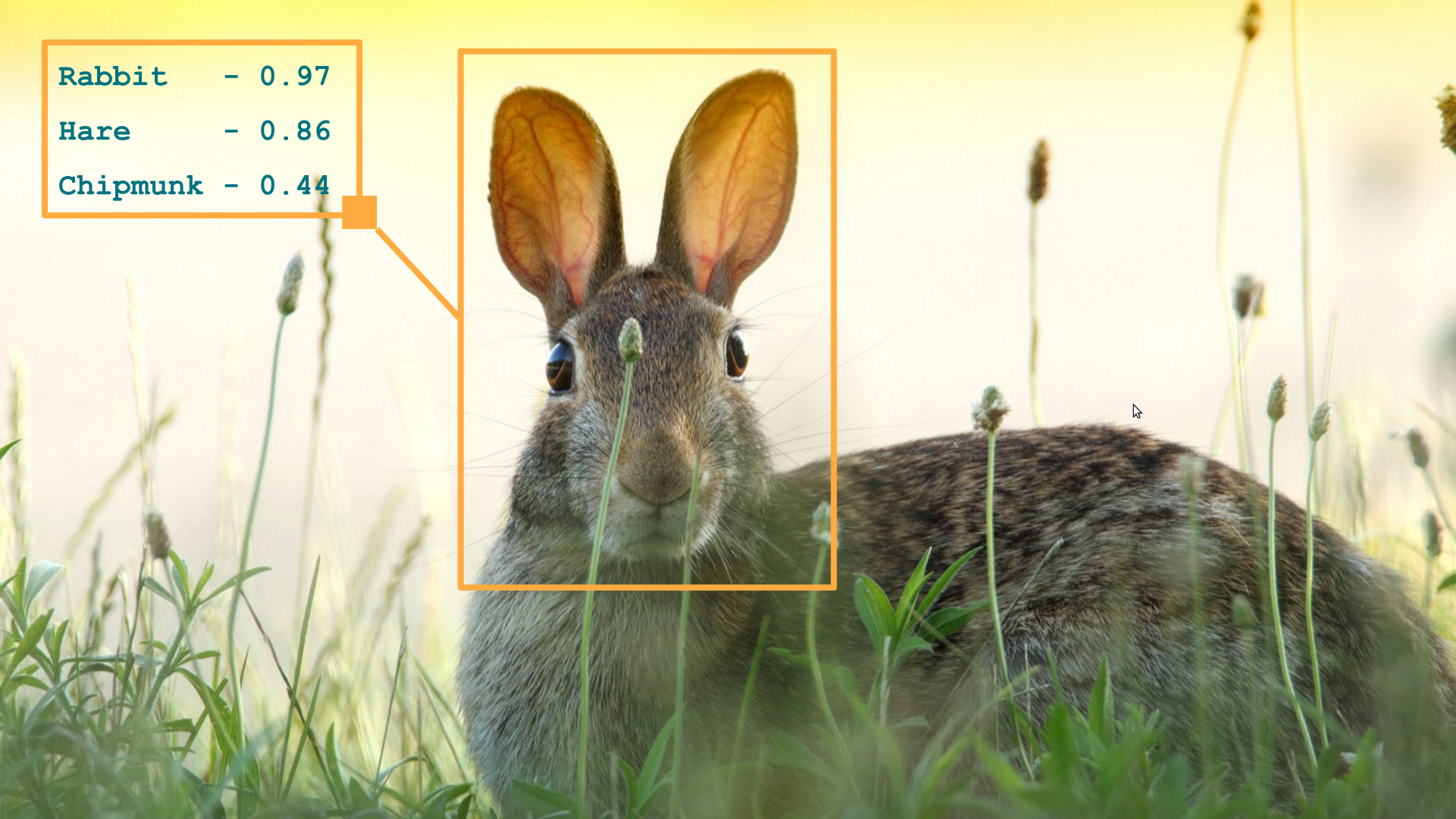
Pattern recognition involves the analysis of visual characteristics of each character or glyph. The recognition software identifies their shape, size, and relative position. Pattern recognition algorithms compare these characteristics with a database of previously recorded character shapes.Classification
Once the characters have been identified, they are classified according to their meaning. For example, they can be categorized into letters, numbers, punctuation symbols, etc. This step is essential to correctly interpret the text and make it understandable for users.Applications of ocerization
Ocerization has applications in a wide variety of fields. These range from administration and finance to medicine and education.Ocerization for administration and finance
In the field of administration and finance, OCR is widely used to automate data entry. For this, recognition technology can use a screenshot, a digital photo, a scanned document, a pdf, or even a simple png. From these elements, the document (such as an invoice, purchase order, bank statement, etc.) is converted into a format modifiable. This speeds up document processing processes and reduces human errors.Using OCR in medicine
In medicine, OCR is used to scan and process medical records, prescriptions, test results, etc. This facilitates access to medical information and contributes to improving the quality of care. Indeed, electronic document management allows rapid and secure sharing of data between health professionals.Education is already using ocerization
In the field of education, OCR is used to digitize books and educational materials. This technology allows teachers and students to easily access and manipulate content interactively. Additionally, OCR is often used in learning assistance tools to help students with reading or vision difficulties.The benefits of ocerization
The benefits of OCR are numerous and have a positive impact on many aspects of our daily and professional lives.Time saver
Automating data entry using OCR saves a times precious. Indeed, tedious manual entry and time-consuming formatting can thus be avoided. Processes that once took hours or even days can now be completed in minutes. The time saved in this way on office tasks can therefore be invested in more important and strategic work.Precision and reliability
OCR significantly reduces the risk of data entry errors. This improves the precision And the trustworthiness of the information processed. Human transcription errors are common and can have costly consequences. By using ocerization, this risk is minimized and the integrity of the data is guaranteed.Research and organization
OCR turns a multi-page printed or handwritten document into editable text. In this way, it renders the converted documents (in text format therefore), searchable. This means that it is now possible to search for words or phrases in these documents (Word, Docx, PDF, Docs, Txt, etc.). It thus becomes possible to perform textual searches in the content of the documents and to sort them according to various criteria. This feature is particularly useful in the context of document management andelectronic archiving.Challenges and limitations of ocerization
Despite its many benefits, OCR also has challenges and limitations that need to be considered.Complex character recognition
OCR can run into difficulties when recognizing complex characters. The such as the characters manuscripts, exotic fonts, or stylized, or the characters Blurred or deformed. In such cases, OCR accuracy may be reduced, sometimes requiring human intervention to correct errors.Languages and scripts
The accuracy of the recognition tool may vary depending on the language and script used in the document. Languages with special characters or non-Latin alphabets can pose additional challenges. Indeed, algorithms must be adapted to recognize, capture and correctly interpret these characters.Quality of scanned documents
The quality of scanned documents can have a significant impact on the accuracy of the software scanning. Documents with stains, creases, tears, or distortions can be difficult to process. In the same way, too low DPI (very poor image quality) can lead to recognition errors.Conclusion
In conclusion, OCR is a revolutionary technology that has transformed the way we process and use printed information. By automating data entry, improving accuracy and reliability, and making it easier to find and organize information, OCR opens up new perspectives in many areas and contributes to the efficiency and productivity of organizations. Although challenges remain, especially with respect to the recognition of complex charactersArticles
Continue reading

Simplify identity verification
A new way to manage identity verification that's easier and more secure.