
Digital identity of a person: Definition and Tips
The rise of the digital world has ushered in a new era where our online activities contribute to the development of a complex and constantly evolving virtual identity. A person's digital identity is increasingly crucial in our daily lives. It requires a thorough understanding to successfully navigate this connected universe. This article explores
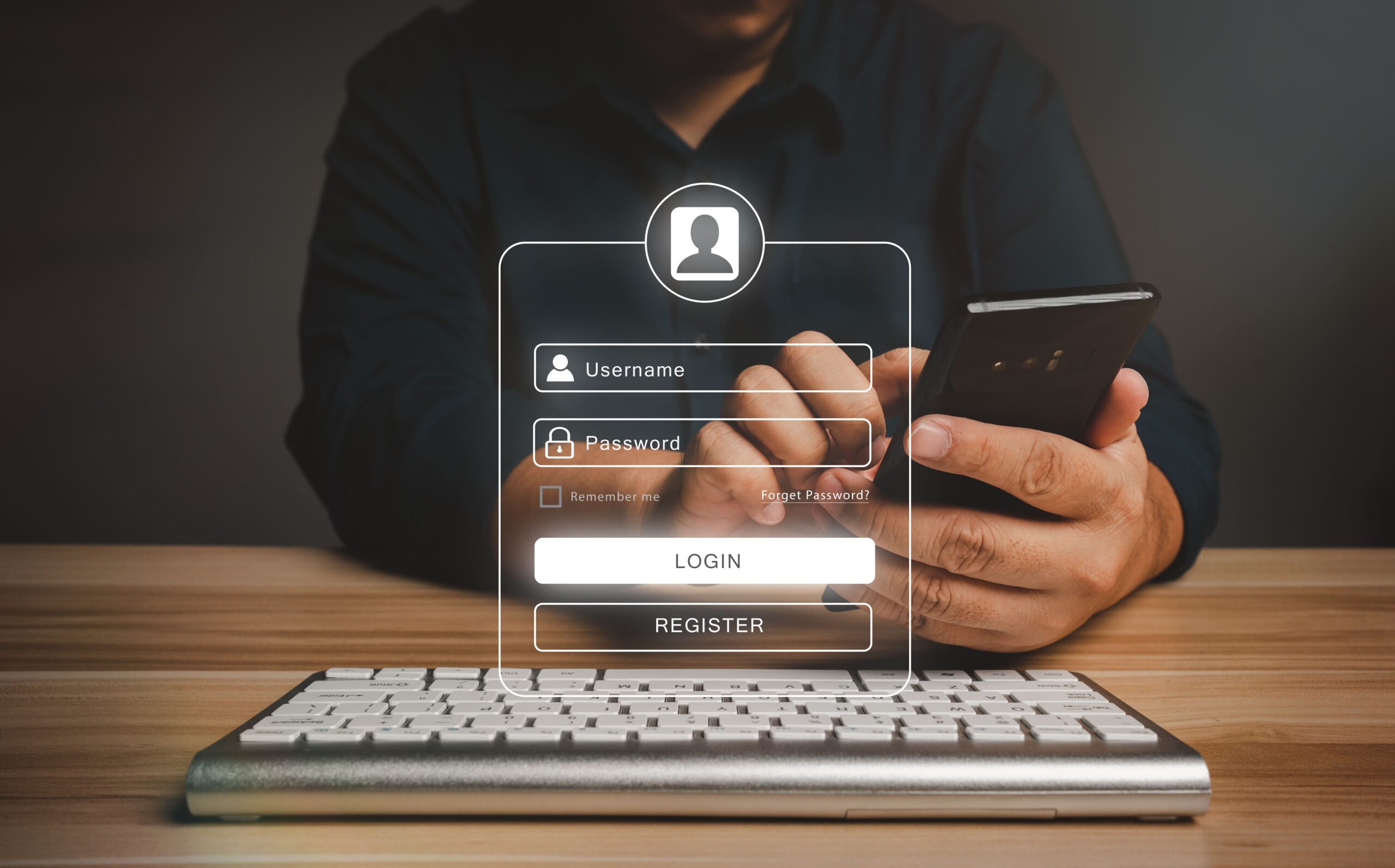
The rise of the digital world has ushered in a new era where our online activities contribute to the development of a complex and constantly evolving virtual identity. A person's digital identity is increasingly crucial in our daily lives. It requires a thorough understanding to successfully navigate this connected universe. This article explores the various aspects of digital identity, offering critical perspectives for understanding, protecting, and acting.
What is a person's digital identity?
A person's digital identity is an extension of identity (name, first name, date of birth, address, etc.), in the virtual world. For example, this corresponds to email addresses, passwords, aliases, etc. All of these elements constitute a person's digital identity. Social networks will enhance this digital identity with elements such as images, videos, videos, comments, private data, etc. Our online presence influences how Internet users perceive us and thus contributes to our online identity. The creation of our online identity is also often created through social networks. Following on from personal blogs, networks like Facebook, Instagram, and Twitter are exposing our digital identity. However, once online, all of this information becomes difficult to control and poses certain privacy risks. A person's online identity also includes all private and sometimes sensitive information. For example, note the health data, stored on a health card. But also legal or judicial data. Physical identity is increasingly extending to the digital domain and to the digital identity of a person.The types of digital identity of a person
Online identity is divided into three distinct categories, each linked to the origin of information sources, their content, and the author.Declarative identity
This category includes information provided by the person concerned. For example: marital status details and other objective items. This declared information contributes to building an accurate picture of the individual online.Identity calculated
The calculated identity results from analyses carried out on the available data, thus generating a more complex profile of the individual or entity. These analyses provide in-depth insights based on aggregated data.Active identity
Active identity is shaped by concrete actions taken online. Behaviors, habits, and actions observed on social networks and other platforms contribute to a constantly evolving identity. These categories highlight the diversity of information disclosed online and highlight the need for proactive management to maintain the integrity of the individual or entity concerned.What are our rights regarding a person's digital identity?
The General Data Protection Regulation (GDPR) gives users a series of significant rights when it comes to managing their digital identity. These rights aim to strengthen the transparency, control, and confidentiality of personal data. Here are some of the key rights granted to users by the GDPR.Rights provided by the RGPD concerning a person's digital identity
The right of access
Individuals have the right to request and receive confirmation as to whether personal data concerning them is being processed. They may also request detailed information on the nature of this treatment.Right to rectification
Users have the right to request the correction of inaccurate personal data concerning them.Right to be forgotten
Also known as the right to erasure, it allows individuals to request the deletion of their personal data. This right applies in certain circumstances, in particular if the data is no longer necessary for the purpose for which it was collected.Right to limitation of treatment
Individuals have the right to restrict the processing of their personal data in certain situations, including if the accuracy of the data is contested or if the processing is unlawful.Right to data portability
This right allows individuals to receive their personal data in a structured, commonly used and machine-readable format, and to transmit them to another data controller.Right to object
Individuals have the right to object to the processing of their personal data in certain circumstances, in particular when the processing is based on the legitimate interest of the data controller.Right not to be subject to an automated decision
Users have the right not to be the subject of a decision based exclusively on automated processing. This includes profiling in particular and applies if this decision produces legal effects concerning them or significantly affects them. These rights, granted by the GDPR, aim to give individuals greater control over their personal information and to promote more transparent and privacy-friendly management of their digital identity.How do you protect your personal digital identity?
Protecting digital identity has become critical as our world becomes more and more connected. Potential risks include data breaches and privacy breaches. In particular, this may result from poor management of digital identity. The consequences can be real, even affecting a person's professional life, so online caution should be in order. Here are some tips to improve the security of your virtual identity.User account protection
In order to reduce the risks of personal digital identity theft, a few practices must be adopted.- Change your password frequently.
- Do not use the same password on different sites.
- Use passwords that are secure and not linked to your personal information.
Vigilance against free sites
Many are familiar with the adage “If it's free, you are the product!” It's all said! Completely free sites often use your data. Indeed, personal information and user behavior are used for targeted advertising, sometimes a bit too much.Beware of phishing attempts
Phishing is a method frequently used by cyber criminals. This makes it possible to retrieve a person's identifiers and use their digital identity.Conclusion
Navigating the digital world requires a thorough understanding of our online identity. By adopting secure practices and understanding the challenges associated with our digital presence, we can shape a digital identity that reflects our true essence while maintaining our privacy. Protecting our digital identity is thus becoming a shared responsibility in this constantly evolving digital age. By staying vigilant and proactive, we can build and maintain a positive and secure digital identity.Articles
Continue reading


Simplify identity verification
A new way to manage identity verification that's easier and more secure.