
BNPL and the fight against fraud: Understanding everything

BNPL has revolutionized online payment, but it also poses major security challenges. This article explores its impact on the fight against fraud, offering a comprehensive overview of current strategies and regulations.
Understanding BNPL and its challenges
BNPL, or “Buy now, pay later”, is revolutionizing payments. This system allows consumers to pay for their purchases in several installments, without immediate costs. But how does it really work? And why is it so appealing?
Definition of BNPL
BNPL allows you to buy immediately and pay later. Discover how it works in the context of online payments.
Explanation of BNPL
“Buy Now Pay Later”, or BNPL, is a payment method that allows you to defer payment. Customers can buy a product or service right away and pay in installments.
Often, this system does not incur interests, which makes it attractive for many. Businesses that offer BNPL often see an increase in sales, as this reduces the barriers to buying for customers.
In other words, BNPL simplifies access to products while distributing payments. A recent study revealed that this payment method is rapidly becoming popular.
Increasing popularity of BNPL
BNPL is attracting more and more consumers and businesses. Let's analyze why its popularity is constantly growing.
The popularity of BNPL can be explained by several key factors. First, it offers financial flexibility to consumers, allowing them to spread out their payments at no additional cost. Second, businesses find it a competitive advantage because it reduces the cart abandonment rate and increases conversions. Finally, with the rise of e-commerce, BNPL is becoming an essential option for many. According to a recent report, this trend is expected to continue with the increase in online transactions.
Fraud risks associated with BNPL
BNPL, while practical, is not without risks. Frauds associated with this payment system can be varied and complex. Understanding these threats is crucial for professionals in the financial sector.
Identity theft in the BNPL
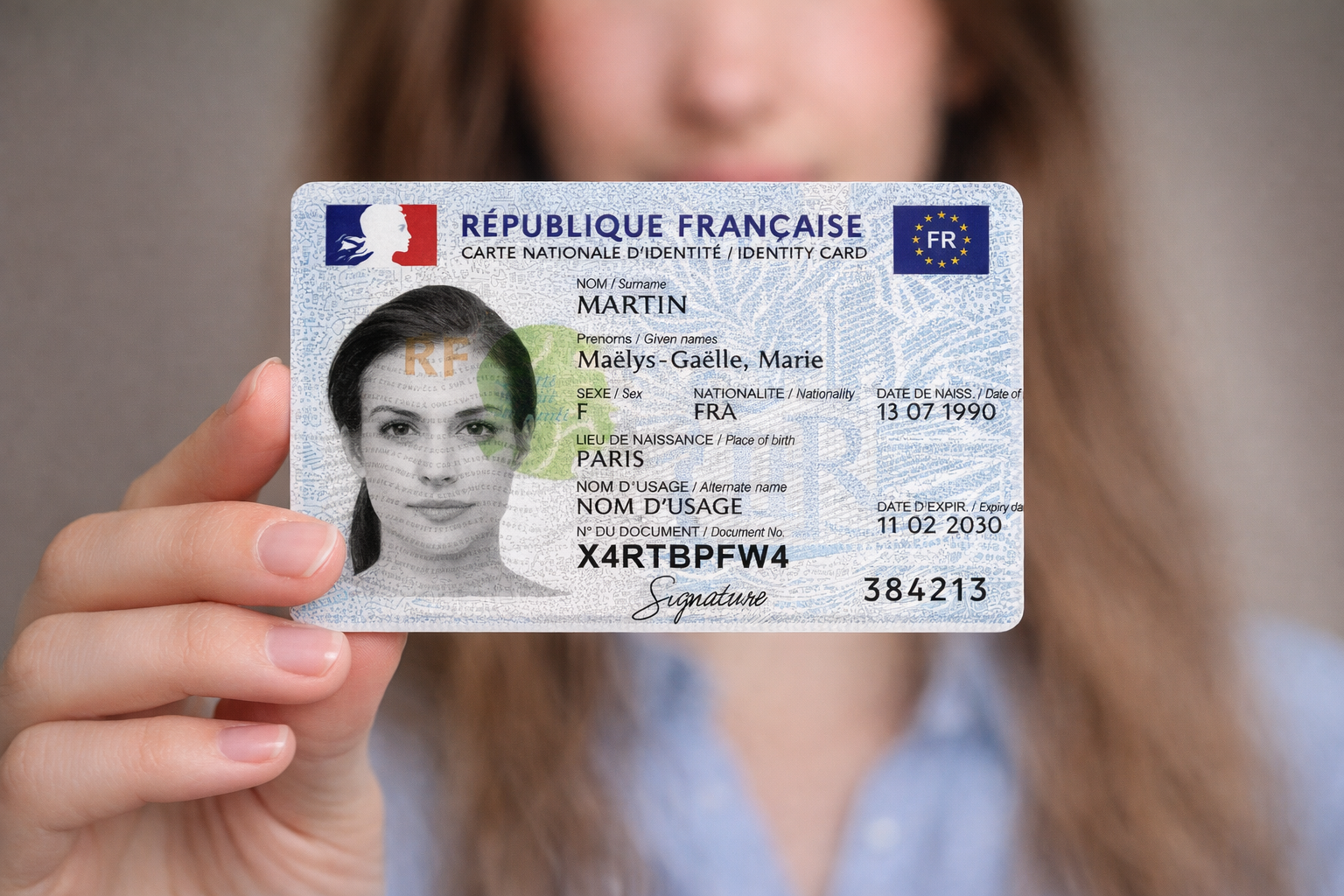
Identity theft is a major problem in BNPL. Fraudsters use stolen information to make unauthorized purchases. This can lead to significant financial losses for businesses.
An example of identity theft in the BNPL: a fraudster obtains a victim's personal information via the dark web. It uses this data to create a BNPL account and make several expensive purchases. The victim discovers these transactions on their bank statement. She must then prove that she was not at the origin of these purchases for fight against fraud.
Synthetic fraud and account takeover
Synthetic fraud and account takeover are also a concern. These sophisticated methods exploit flaws in identity verification systems.
Fraudsters create synthetic identities by combining real and fictional information. They then open BNPL accounts under these fraudulent identities. For account control, they access existing accounts by bypassing security measures. These techniques can cause considerable damage to businesses.
Fraud prevention measures for BNPL
BNPL transactions are booming, but they are not without risks. To counter fraud, businesses are adopting a variety of innovative strategies and technologies.
Advanced identity verification technologies
Modern technologies play a crucial role in identity verification for BNPL. They make it possible to ensure that the user is who he says he is.
- Facial biometrics : Compare the facial features with those on the ID.
- Behavioral analysis : Detects anomalies in buying habits.
- Two-factor authentication (2FA) : Adds an extra layer of security.
- Blockchain : Ensures the integrity and traceability of data.
- Machine learning : Identifies fraudulent patterns in real time.
Balancing fraud prevention and user experience
Finding the right balance between security and user experience is critical. Too many checks can discourage customers.
A balance between fraud prevention and user experience is crucial to maintaining customer trust. Too many checks can damage the user experience, while a lack of security can lead to fraud.
Businesses must therefore adapt their measures according to the risk and expectations of users. This will not only improve safety but also customer satisfaction.
BNPL and fraud regulations
BNPL, or “Buy now, pay later”, is booming. With this growth, the risks of fraud are also increasing. Current and future regulations play a crucial role in securing these transactions.
Current regulations in the EU and the United Kingdom
The European Union and the United Kingdom have put in place laws to regulate BNPL. These regulations aim to protect consumers and prevent fraud.
- Payment Services Directive (PSD2) : Strengthens strong customer authentication to secure online payments.
- General Data Protection Regulation (GDPR) : Ensures the protection of consumers' personal data.
- Consumer Credit Act (United Kingdom): Regulates credit conditions, including BNPL, to protect consumers from abusive practices.
Future prospects for global regulations
Global BNPL regulations are changing rapidly. The authorities are seeking to anticipate the new challenges posed by this payment method.
Future trends include tighter regulations to protect consumers. Increased transparency and information requirements are expected.
Governments could impose tighter controls on the identity of users to reduce fraud.
Strategies to strengthen the security of BNPL transactions
Strengthening the security of BNPL transactions is crucial in the face of growing fraud threats. Businesses need to adopt practical strategies to protect customers and operations. Let's look at some effective approaches.
Using machine learning to detect fraud
Machine learning can play a key role in detecting BNPL fraud. By analyzing data in real time, it identifies suspicious patterns and prevents fraudulent transactions.
1. Step 1: Data Collection
To get started, gather relevant data about past transactions. This includes buying behaviors and payment histories. This information will be used as a basis for training your AI models.
2. Step 2: Training the models
Then, use this data to train your machine learning models. The aim is to enable them to recognize potential fraudulent patterns. This will improve their ability to detect anomalies.
3. Step 3: Ongoing monitoring
Finally, set up continuous monitoring of ongoing transactions. This will facilitate the rapid identification of suspicious activities and allow for an immediate reaction to prevent fraud.
Collaboration between businesses to fight fraud
Collaboration between businesses is essential to effectively combat BNPL fraud. Sharing threat information helps to anticipate and counter potential attacks.
Sharing data on fraud attempts makes it possible to quickly identify new threats. This cooperation reduces the risk for all parties involved. By working together, businesses can develop more robust and effective fraud solutions.
Impact of BNPL on the digital economy and its future challenges
BNPL is transforming the digital economy by making it easier to shop online. However, it poses significant security challenges.
Influence of BNPL on e-commerce
BNPL is changing online shopping behaviors and stimulating e-commerce.
BNPL is influencing e-commerce by increasing sales conversion. Consumers appreciate the flexibility offered by this payment method, which reduces the cart abandonment rate. This results in increased sales for retailers.
In addition, BNPL is attracting new customers who may be hesitant to buy immediately. This method encourages impulse purchases while offering an alternative to traditional credit cards. However, it requires increased vigilance to prevent fraud and ensure the security of transactions.
Future challenges to secure BNPL
Future challenges include securing BNPL transactions in the face of evolving threats.
What are the main security challenges for BNPL?
Key challenges include the prevention of identity theft and synthetic fraud. These threats require robust solutions to protect consumers and retailers.
How do you anticipate future threats?
Adopting advanced technologies like machine learning will help detect anomalies. Collaboration between businesses will also increase security.
Why is securing BNPL crucial?
Securing BNPL is essential to maintain consumer confidence and ensure the sustainability of the economic model. It will also reduce financial losses due to fraud.
In conclusion, while BNPL has undeniable advantages, it also poses significant security challenges. Businesses need to adopt robust strategies to prevent fraud while providing a seamless user experience. Regulatory developments will play a key role in this area.
Continue reading


Simplify identity verification
A new way to manage identity verification that's easier and more secure.