
3 Phases of Money Laundering
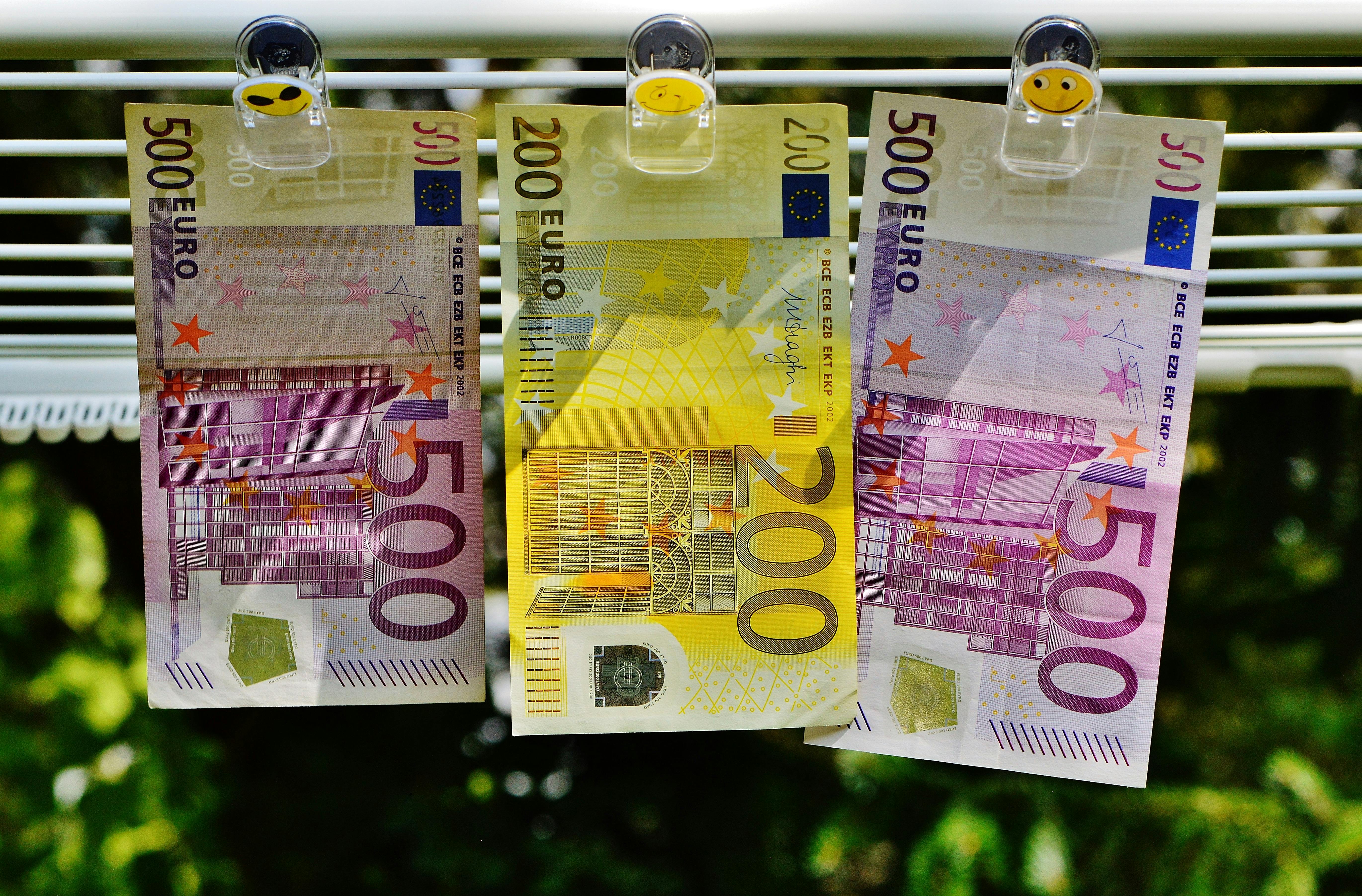
The money laundering is an insidious phenomenon that threatens global economic stability. In the majority of cases, 3 phases of money laundering are highlighted. Let's discover together its complex mechanisms and the strategies to combat it effectively.
The Foundations of Money Laundering and Its Objectives
Definition and Objectives of Money Laundering
Money laundering is a process by which illegally obtained funds are transformed into ostensibly legitimate capital. The main objective of criminals is to mask Illicit origin of these funds to integrate them into the legal economy. This allows them not only to preserve their wealth, but also to multiply it without arousing suspicions. The activities Criminals, such as drug trafficking and financial fraud, generate huge amounts of illicit funds that need to be laundered to avoid legal sanctions.
Economic Implications of Money Laundering
Financial institutions are at the forefront of the fight against money laundering. However, they are often exploited to facilitate complex transactions that mask the true source of funds. This exploitation can result in severe fines and damage their reputation. In addition, the integrity of the financial system is compromised, which can lead to a loss of customer and investor confidence. Money laundering has a devastating impact on the global economy. By disrupting the balance of financial markets, it leads to a misallocation of resources and a distortion of prices. Laundered funds can be used to bribing public officials, thus exacerbating the problems of corruption andpolitical instability. It also threatens economic security by facilitating the financing of terrorism and other financial threats.
3 Phases of Money Laundering
Placement phase
The investment phase is the first step in the 3 phases of money laundering, where illicit funds are introduced into the financial system. This is usually done through cash deposits in banks or through the purchase of high-value goods. Casinos, for example, are often used for this phase, as they allow large amounts ofCash into chips and then exchange them for casino checks. criminals use a variety of techniques to invest money, such as Smurfing, which consists of dividing large amounts into small deposits to avoid detection. They may also use electronic transfers or luxury goods purchases to hide illicit funds.
Cutting phase
The cutting phase aims to complicate the traceability of funds by multiplying financial transactions. Criminals use offshore accounts, shell companies, and fake billing to muddy the waters. These funds are transferred across multiple bank accounts, often in different jurisdictions with strict banking laws. Front companies, which only exist on paper, are used to mask the real identity of fund owners. These stratagems make detection and legal proceedings extremely difficult.
Integration phase
The integration phase is the final stage, where funds are reintroduced into the legal economy. At this point, the money comes across as legitimate, allowing criminals to use it freely.Integration methods include investing in real estate, financial markets or the creation of new businesses. Criminals can also use fictional loans or corporate dividends to legitimize laundered funds.
Use of Casinos and Cryptocurrencies in Money Laundering
Use of Casinos
Casinos are often involved in one of the phases of money laundering due to their nature unnamed and the high volumes of cash they handle. Criminals buy casino chips, play a minimal game, and then exchange the remaining chips for a check, giving the appearance of legitimate winnings.
Role of Cryptocurrencies
Les Cryptocurrencies, although they have revolutionized the financial sector, are also used to launder money. Their decentralized and anonymous nature allows criminals to transfer funds without leaving a trace. Cryptocurrency exchange platforms, which are often less regulated, facilitate these illicit transactions.
Operation of shell companies and real estate investments
Front companies are legal entities created to hide the identity of the real owners of the funds. They serve as a facade for financial transactions, making the detection of criminal activities more complex. Real estate is a prime sector for integrating laundered funds due to the high value of transactions and the possibility of manipulating prices. Criminals buy real estate with illicit funds that they can sell later for clean money.
Impact of Money Laundering on Investor Confidence and Markets
Money laundering distorts financial markets by upsetting the balance of supply and demand. It leads to a poor allocation of resources. This leads to economic bubbles and financial crises. The influx of illicit funds is fuelling the corruption, affecting governance and transparency. Corrupt officials can facilitate money laundering by circumventing laws and regulations. Investor confidence is shaken when money laundering is perceived as a systemic threat. This can lead to a massive withdrawal of capital and hinder economic development.
Anti-Money Laundering Strategies and Regulations
Implementation of AML Solutions
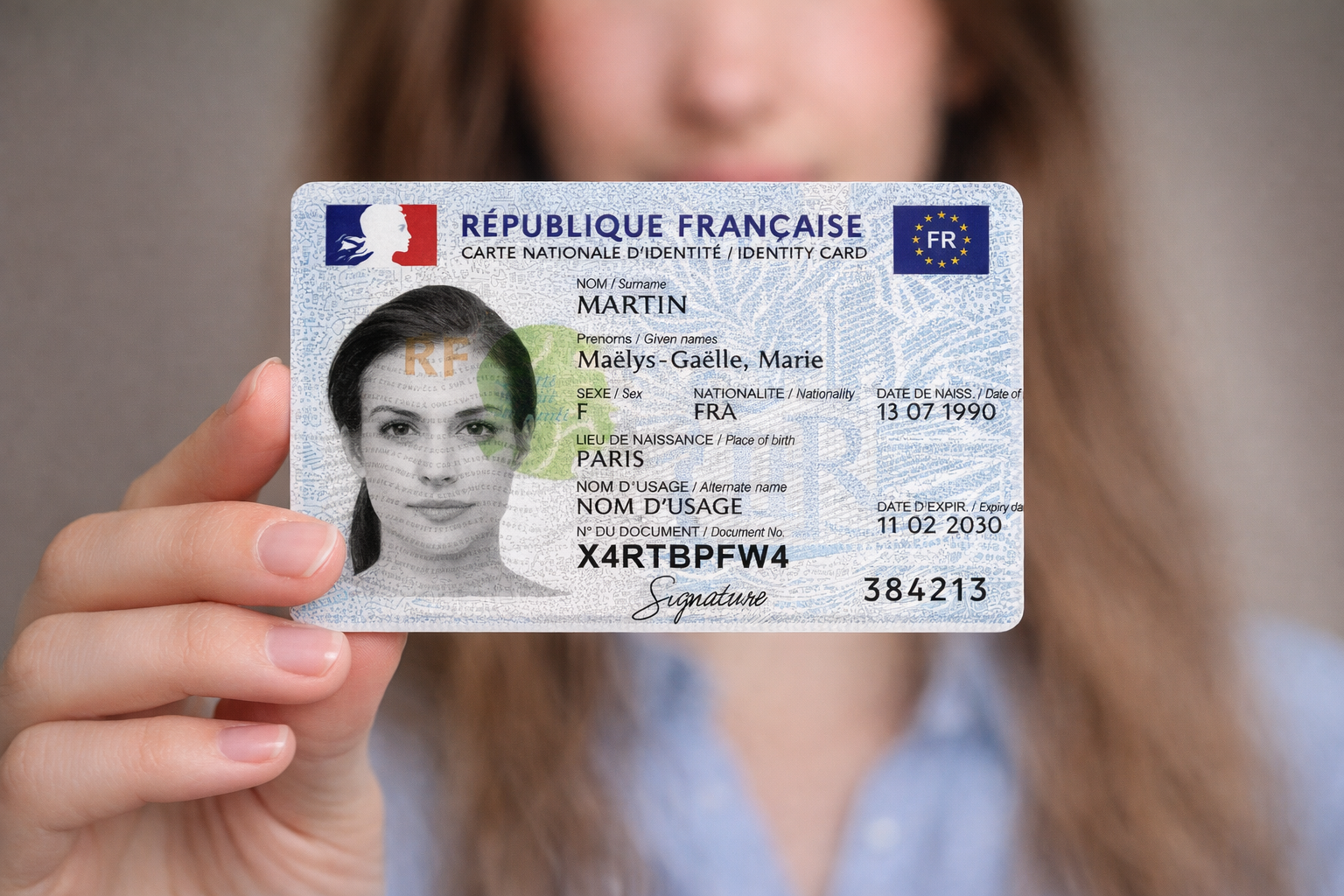
The solutions of Combating money laundering (AML) play a crucial role in the prevention of illegal activities. They include tools for identity verification, risk analyses, and transaction monitoring systems.Identity verification tools, such as the biometrics and digital documents, are used to ensure that customers are who they say they are. This helps prevent identity theft and fraud.
Importance of Know Your Customer (KYC)
La customer knowledge (KYC) is a regulatory requirement that requires financial institutions to verify the identity of their customers. It makes it possible to detect and prevent suspicious activities by establishing detailed risk profiles.
Role of International Anti-Money Laundering Regulations
International regulations, such as guidelines AML, play an essential role in the fight against money laundering. They set common standards for financial institutions around the world.Guidelines like the 5th AML Directive Of the European Union impose strict transparency and transaction monitoring obligations. They encourage the sharing of information between countries to effectively combat money laundering.
Warning Signs and Preventive Measures
Identifying Suspicious Activity
The transactions Unusual, such as large money transfers without a reasonable explanation, may indicate money laundering. Financial institutions should be vigilant and report these activities to the appropriate authorities.
Money Laundering Staff Training and Awareness
Regular staff training is essential to detect and prevent money laundering. It should include updates on the latest techniques used by criminals. Training programs should be ongoing and adapted to changes in the criminal landscape. They should include real case studies and simulations to build employee skills.
Conclusion
Money laundering is a serious threat to the global economy, requiring constant vigilance and rigorous measures. By understanding its mechanisms and strengthening regulations, we can maintain the integrity of the financial system and ensure sustainable economic growth. International cooperation and technological innovation will be crucial allies in this fight.
Continue reading

Simplify identity verification
A new way to manage identity verification that's easier and more secure.