
International Validity Passport: A Complete Guide
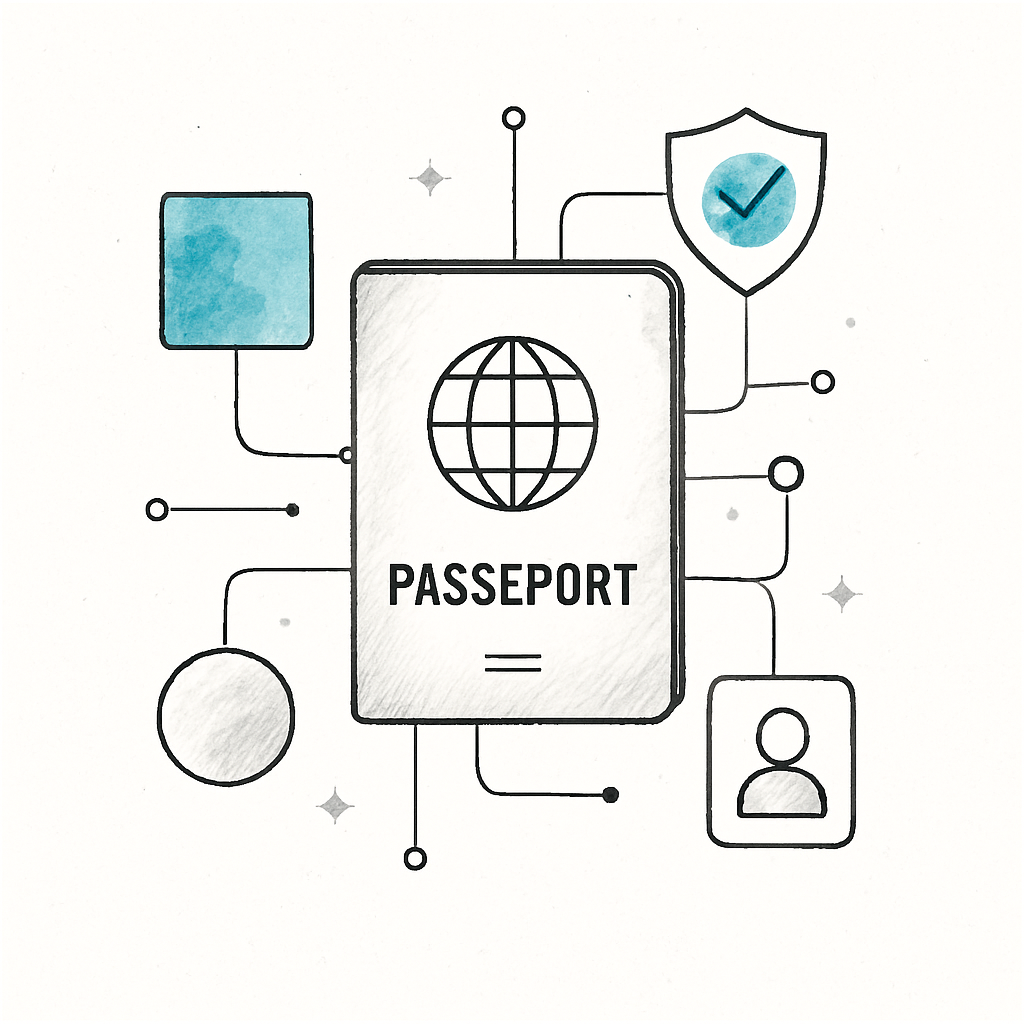
An internationally valid passport is essential to secure online transactions. This article explores how this document strengthens identity verification, reduces fraud, and provides increased security for businesses.
What is the international validity of a passport?
The international validity of a passport ensures that it is recognized and accepted by other countries. It is based on specific standards and criteria.
International validity criteria
A valid passport must meet strict international standards. These criteria include advanced security features and internationally recognized standards.
- Presence of advanced security features like holograms.
- Compliance with International Civil Aviation Organization (ICAO) standards.
- Integration of biometric chips for accurate identification.
- Use of sustainable materials to avoid falsification.
- Regular verification by the competent authorities.
Importance for identity verification
International validity is crucial to ensure the reliability of online identity checks.
An internationally valid passport is essential for online security. It reduces the risk of fraud by ensuring that the document is true and trustworthy.
With valid passports, businesses can better verify identities and have more confidence in the process.
Characteristics of a valid passport
A valid passport has several essential characteristics that guarantee its authenticity and security. These elements are designed to prevent fraud and identity theft, while facilitating international identity checks.
Integrated security features
Modern passports incorporate advanced security features. These devices, such as holograms, watermarks, and biometric chips, play a crucial role in protecting against forgery.
- Holograms : Their appearance changes according to the angle of view, which complicates counterfeiting.
- Watermarks : Inserted into the paper, they can only be seen in the light.
- Biometric chips : They contain personal and biometric information for quick and secure verification.
The role of biometric data
Biometric data is essential to validate identity via a passport. They usually include fingerprints, digital photos, and sometimes even retinal scans.
Why is biometric data important?
Biometric data enhances security by adding an additional barrier. They allow identity to be confirmed accurately, which reduces the risk of fraud.
What biometric data is commonly used?
Fingerprints and digital photos are the most common. They ensure a unique identification that is difficult to counterfeit.
How to detect a fake passport?
Detecting a fake passport requires careful attention to detail. Knowing the tell-tale signs of forgery can help you avoid common pitfalls.
1. Check the holograms
Make sure that the holograms change their appearance depending on the viewing angle.
2. Examine the watermark
Place the passport in the light to check for the watermark.
3. Check the biometric chip
Use a scanner to verify that the biometric data matches the data printed.
Use of the passport in online identity verification
Businesses are increasingly using passports for online identity verification. This document, which is difficult to falsify, offers increased security. Let's explore the processes and technologies involved in this identity check method.
Online verification process
The online passport verification process involves several key steps. Businesses use advanced technology to ensure the authenticity of the document.
1. Image capture:
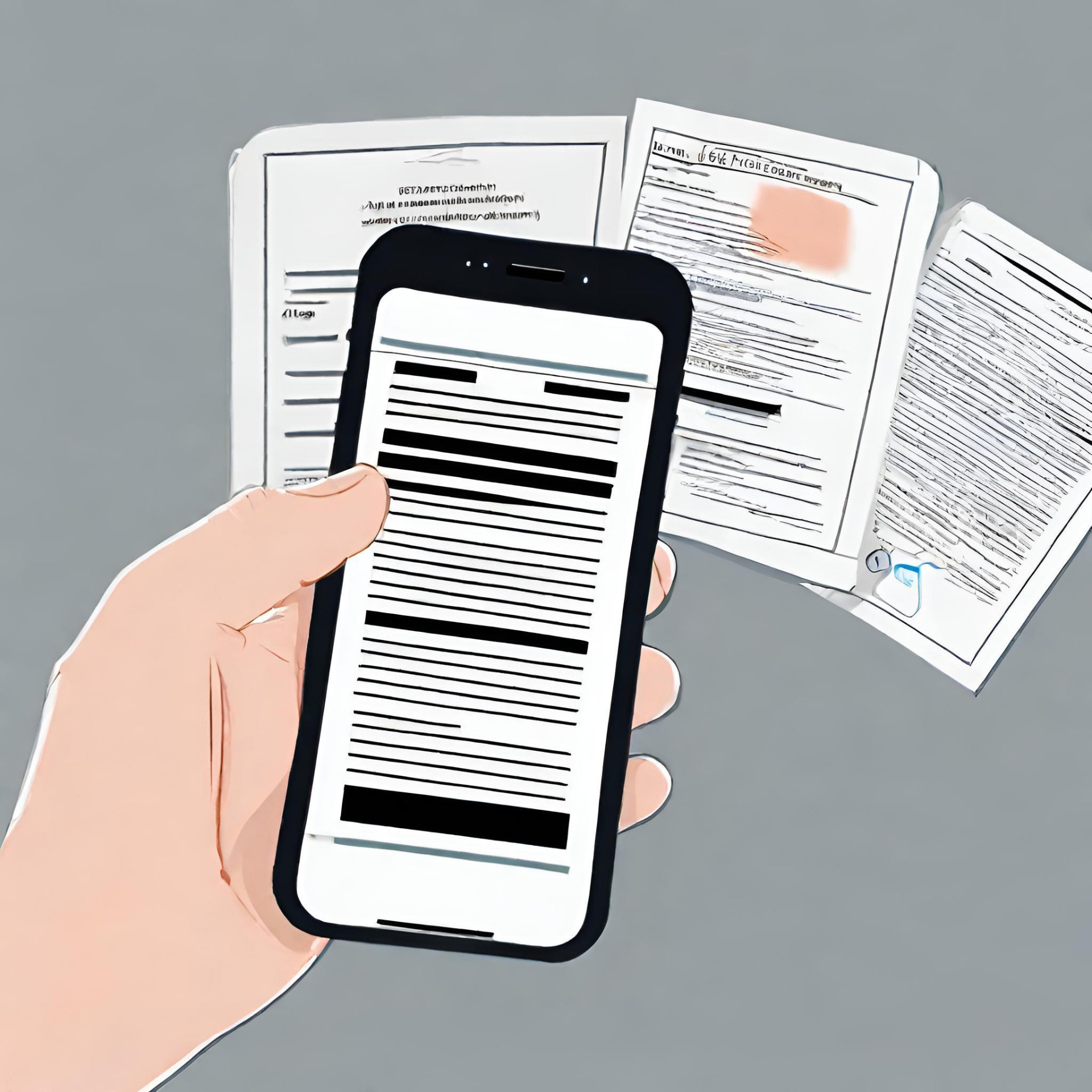
The user uploads an image of their passport. This step is critical as it allows systems to begin the analysis.
2. Data analysis:
Passport information is extracted and compared to secure databases. This makes it possible to verify the validity of the data provided.
3. Visual check:
Algorithms compare the uploaded image with authentic passport models to detect any anomalies or falsifications.
4. Final validation:
Once all checks have been completed, the system validates or rejects the passport. This step ensures that only authentic documents are accepted.
State-of-the-art technologies used
Artificial intelligence and machine learning are at the heart of passport verification. These technologies allow for rapid and accurate detection of potential fraud.
Advanced technologies like AI and machine learning are transforming passport verification.
They quickly analyze biometric data and detect anomalies.
Thanks to them, businesses can significantly reduce the risks of identity theft.
Challenges and solutions in passport verification
Passport verification poses several challenges. Between fraud and identity theft, the challenges are numerous. Let's explore these obstacles and the innovative solutions to overcome them.
Common challenges encountered
Common challenges include sophisticated forgery and identity theft. These problems are amplified by the rapid evolution of counterfeiting techniques.
- Sophisticated falsification : Counterfeiters use advanced technology to create fake passports that are almost undetectable.
- Identity theft : Individuals impersonate others using false documents.
- Legal complexity : Laws vary from country to country, complicating cross-border verification.
Innovative solutions proposed
To counter these challenges, innovative solutions are emerging. They include the adoption of new technologies and the improvement of industrial practices.
- Biometric technology : Use biometric data to confirm identity.
- Artificial intelligence : Detect anomalies in submitted documents.
Successful case studies
Case studies show how these solutions effectively reduce fraud and increase security.
One company incorporated facial biometrics into their verification process. Result? A decrease of around 30% in identity theft attempts in one year. This innovative approach has increased customer trust and improved legal compliance.
The international validity of the passport is crucial to secure online identity verification processes. By understanding its characteristics and adopting advanced technologies, businesses can effectively reduce the risk of fraud and improve their overall security.
Continue reading

Simplify identity verification
A new way to manage identity verification that's easier and more secure.