
Understanding the eIDAS 2 regulation: challenges and impacts
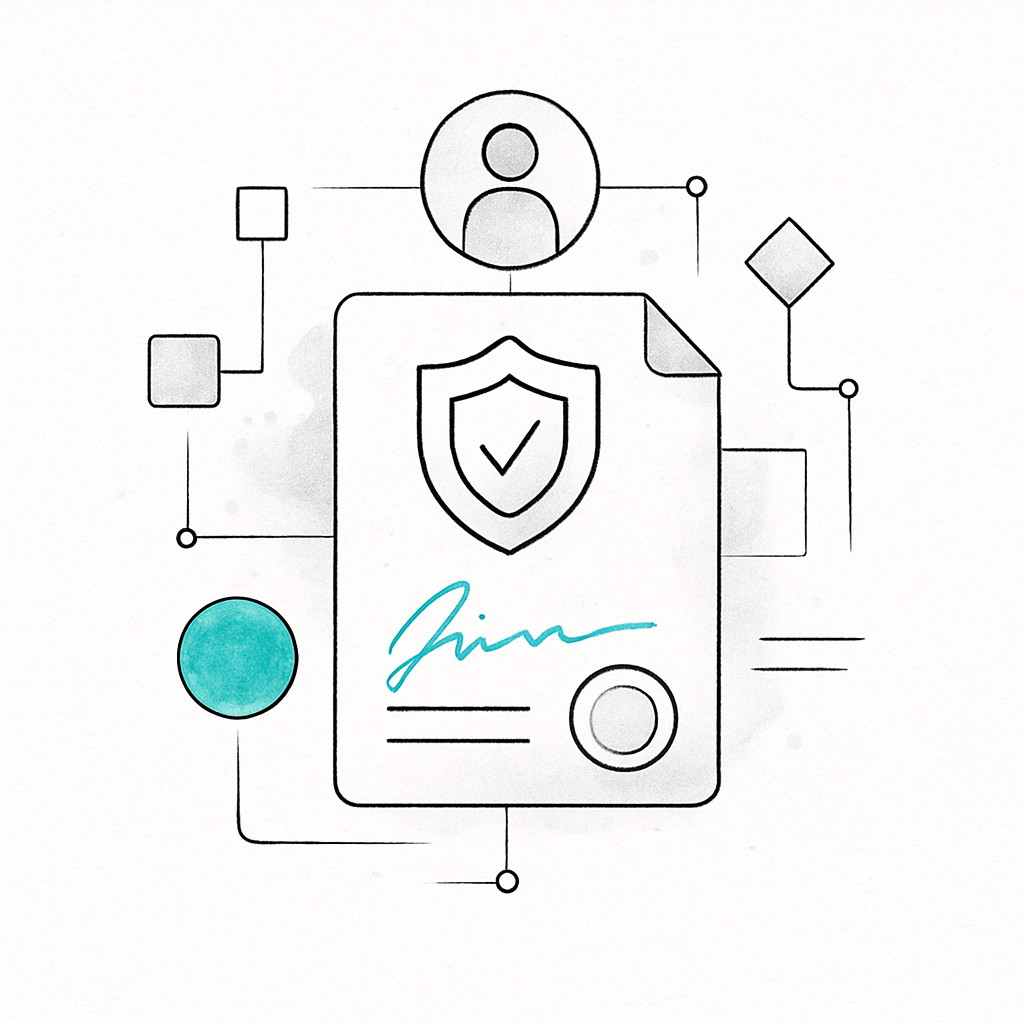
The eIDAS 2 regulation is a key standard for securing electronic identification in Europe. This article explores its impacts on electronic signatures and identity verification, offering an essential guide for professionals.
What is the eIDAS 2 regulation?
The eIDAS 2 regulation is an evolution of the European legislative framework for electronic identification and trust services. It aims to strengthen the security and efficiency of digital transactions in Europe.
Origins and objectives of the eIDAS 2 regulation
The origin of the eIDAS 2 regulation is the need for European harmonization of electronic identification practices. It aims to secure digital transactions and build trust in online services.
eIDAS 2 definition
eIDAS 2 refers to the update of the European regulation on electronic identification and trust services. This regulation aims to establish a common framework for strong authentication and digital signatures in the European Union. In other words, it is a standard that facilitates the mutual recognition of electronic identities between Member States. This will not only improve data security but also the legal compliance of digital transactions. You will see, this will greatly facilitate cross-border exchanges.
Differences between eIDAS and eIDAS 2
eIDAS 2 introduces significant improvements compared to its predecessor, especially in terms of security and interoperability.
- eIDAS 2 reinforces data security through more robust authentication.
- It facilitates compatibility between electronic identification systems in Europe.
- The updated regulation recognizes a greater number of trusted services.
- More stringent standards for electronic certification are being put in place.
Impact of eIDAS 2 on electronic signatures
The eIDAS 2 regulation redefines electronic signature standards in Europe. It introduces more stringent requirements to strengthen the security and integrity of digital documents. Businesses need to adapt to these new standards to remain competitive and compliant.
New requirements for electronic signatures
eIDAS 2 imposes higher standards for electronic signatures. These requirements aim to ensure better security and greater integrity of digital documents, thus strengthening the trust of users.
- Strong authentication required : Users must go through a robust authentication process to validate their identity before signing electronically.
- Strengthened electronic certification : The certificates used must meet more stringent security criteria, thus ensuring optimal protection against fraud.
- Guaranteed data integrity : Signed documents should remain unchanged and verifiable, ensuring that any unauthorized changes are detectable.
- Enhanced interoperability : Electronic signature systems must be compatible between different EU countries, thus facilitating cross-border transactions.
Opportunities for businesses with eIDAS 2
Businesses can take advantage of eIDAS 2 to improve security and compliance. By adopting these new standards, they benefit from better protection against fraud and optimize their digital processes.
With eIDAS 2, businesses can strengthen their digital security while ensuring increased legal compliance. It also facilitates the adoption of innovative solutions, thus increasing operational efficiency and customer trust.
Identity verification and eIDAS 2: what you need to know
The eIDAS 2 regulation redefines online identity verification. It imposes stricter standards to guarantee the security and integrity of digital processes. Businesses need to adapt to these new requirements to remain competitive and compliant.
eIDAS 2 identity verification standards
eIDAS 2 standards require strong authentication and secure electronic identification. For example, businesses should use identity verification solutions that incorporate biometrics or digital certificates to validate the identity of users.
- Needs assessment : Identify the specific requirements of your sector. This will help you understand which eIDAS 2 standards are critical for your business.
- Choice of technologies : Select identity verification tools that are compatible with eIDAS 2. Opt for solutions that integrate biometrics or digital certificates.
- Implementation : Integrate these technologies into your existing systems. Make sure your teams are trained to use them.
- Follow-up and adjustment : Regularly monitor your identity verification processes. Adapt them if necessary to remain in compliance with regulatory changes.
Challenges and solutions for businesses
Businesses face several challenges with eIDAS 2, including technological integration and compliance costs. However, by choosing the right technology partners, they can overcome these obstacles effectively.
What are the main challenges associated with eIDAS 2?
Challenges include the complexity of technology integration and the cost of compliance. Businesses need to adapt their existing systems to new standards.
How can businesses overcome these challenges?
To overcome these obstacles, it is crucial to choose reliable technology partners and to train staff for new regulatory requirements.
Why is eIDAS 2 important for businesses?
eIDAS 2 improves the security of digital transactions and strengthens customer trust. It can also open up new business opportunities.
eIDAS 2 compliance and implementation in your business
Adopting the eIDAS 2 regulation is crucial for businesses that want to remain competitive. This framework ensures enhanced security and increased legal compliance. But how do you make sure your business is ready? Here are some key steps to guide you.
Assess your current compliance level
Before onboarding, it's essential to know where you are. Assessing your current compliance will allow you to target the improvements that are needed.
Use tools like internal audits to identify gaps.
Automated compliance platforms can also offer detailed reports on your current level.
Consider consulting external experts for an unbiased look at your processes.
Integrating eIDAS 2 standards into your systems
Once your compliance level has been assessed, it is time to incorporate the new standards. This involves technical and organizational adjustments to ensure a smooth transition.
1. Step 1: Existing Systems Analysis
Review your current systems to identify what changes are needed. This will facilitate the integration of eIDAS 2 standards.
2. Step 2: Staff Training
Make sure your team understands the new requirements. Proper training is essential to avoid mistakes.
3. Step 3: Technology Update
Adapt your technologies to comply with new standards. This includes updating software and security protocols.
In conclusion, the eIDAS 2 regulation represents a major advance in securing digital transactions in Europe. Businesses must adapt to these new standards to take full advantage of the opportunities offered while ensuring legal compliance.
Continue reading
Simplify identity verification
A new way to manage identity verification that's easier and more secure.